Timing matters when you trim a tree. Trim at the wrong time and you can stress the tree or invite disease — trim at the right time and it comes back stronger.
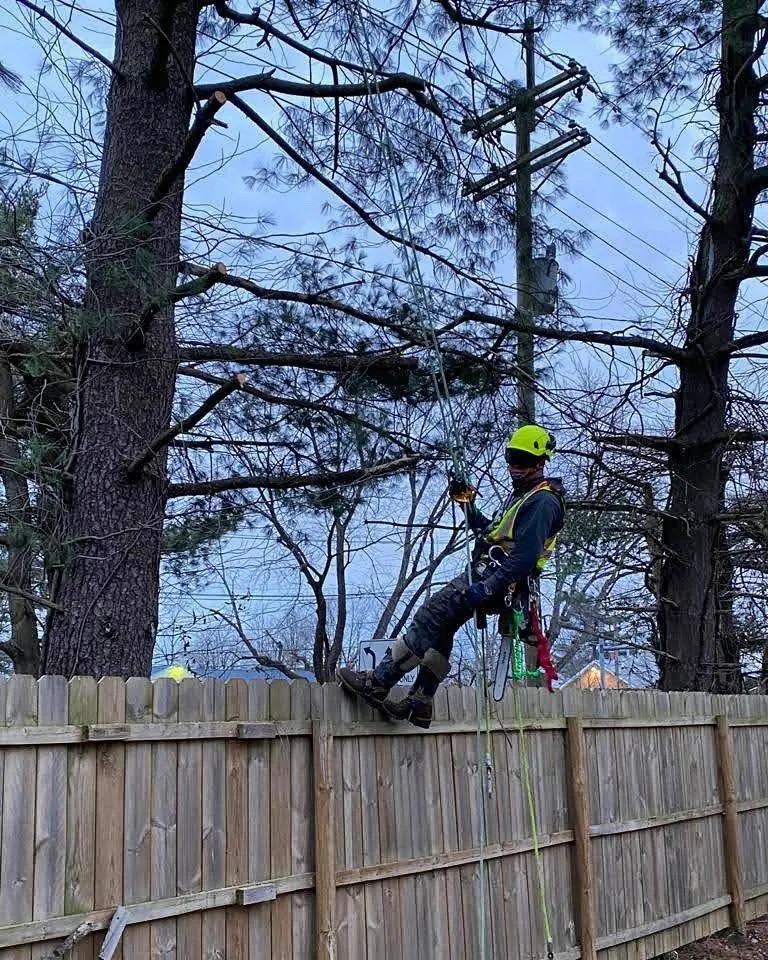
For most trees in Philadelphia, late winter — roughly February into early March, before the buds open — is the ideal time to trim. The tree is dormant, so it loses less sap when branches are cut, and without leaves the crew can see the full structure of the branches clearly. That makes it easier to spot dead wood, crossing limbs, and branches growing toward the house. Dormant-season trimming also means the tree puts its spring energy into the branches you want to keep, rather than into limbs that were going to be removed anyway. There is one practical bonus for homeowners in neighborhoods like Chestnut Hill and Mount Airy, where large oaks and maples are common: the ground is firm in late winter, so equipment does less damage to lawns than it would on soft spring soil. If you are planning a major trim, booking it for late winter is the smartest move.
Once buds break and leaves appear, a tree is actively growing, and that growth helps pruning wounds close quickly. Light trimming in spring is fine for most species, and it is a good time to remove branches damaged by winter ice or snow. Spring is also when problems become visible: branches that fail to leaf out are dead, and limbs that leaf out late may be struggling. If you missed the late-winter window, early spring is still a good time to trim, especially for trees that need deadwood removed before the summer storm season. The one thing to avoid in spring is heavy structural pruning on trees that are already stressed — for example, a tree that lost major limbs in a winter storm. In that case, a lighter trim and a plan to finish the work the following winter is often the better approach.
Fall is the trickiest season for trimming in Philadelphia. As days shorten, trees are preparing for dormancy, and fresh cuts heal slowly in cool weather. Trimming in fall can also stimulate a flush of tender new growth that the first frost will kill, leaving the tree with open wounds heading into winter. That does not mean you should never trim in fall: removing a clearly dead or dangerous limb is always the right call, whatever the season. But routine trimming and shaping are better left until late winter. One exception is after a fall storm — Philadelphia gets strong wind and heavy rain in autumn, and if a storm has damaged a tree, the damaged limbs should come off promptly rather than hanging over your roof all winter.
Philadelphia's storm season runs from late spring through early fall, with summer thunderstorms and the occasional tropical system bringing high winds and heavy rain. The best time to prepare is before the storms arrive: a late-winter or early-spring trim that removes dead branches, thins a heavy canopy, and shortens limbs overhanging the house will make your trees far more storm-resistant. A tree with a dense, sail-like canopy catches the wind; a properly thinned tree lets wind pass through. If you are in a neighborhood with tall mature trees — Germantown, Mount Airy, and Chestnut Hill come to mind — a pre-season check is worth scheduling every year or two. And if a storm has already hit, our emergency tree service is available 24 hours a day, Monday through Sunday. You can read our guide on what to do when a tree falls to know exactly what to expect.
Most mature trees in Philadelphia benefit from trimming every three to five years, depending on the species and the setting. Fast-growing trees near houses or power lines may need attention more often, while a large oak in an open yard may go longer between trims. Young trees should be shaped early: a little corrective pruning in the first few years prevents major problems later, because it is far easier to guide a young tree's growth than to fix a mature tree that has grown into the house. The right schedule depends on the tree, so the honest answer is to have your trees looked at and make a plan. A free estimate is a good place to start, and you can find more seasonal advice on our tree care blog.
We serve Northeast Philadelphia, Fox Chase, Bustleton, Olney, Germantown, Mount Airy, Chestnut Hill, Roxborough, Manayunk, and Rhawnhurst.
Yes, for light corrective work and removing dangerous limbs. Major structural trimming is better done in late winter, but a branch threatening your roof should never wait.
Routine trimming in fall is not ideal because cuts heal slowly and new growth can be damaged by frost. Removing dead or dangerous limbs in fall is always fine.
Most mature trees benefit from trimming every three to five years. Fast-growing species and trees near houses may need it more often.